SNAPPING
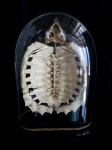
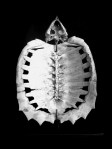
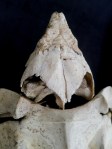
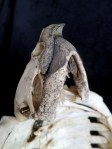
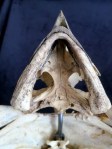
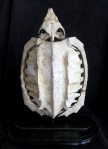
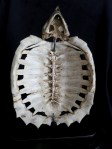
Early 1900′s snapping turtle taxidermy , custom steel mount and base inside large 19th c glass cloche.
Item No. E3073
Dimensions: Cloche is 15 x 22 x 8.5 inches approx. Shell 16 x 12 inches approx.
SOLD
504.581.3733 / t
info@labellenouvelle.com / e
Category: Uncategorized
VICTORIAN BIRD TAXIDERMY
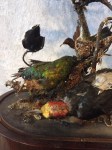
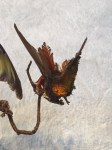
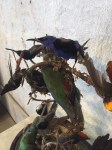
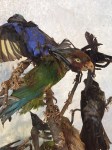
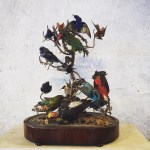
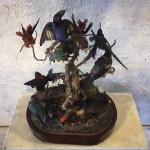
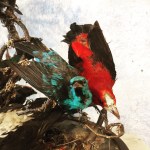
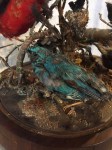
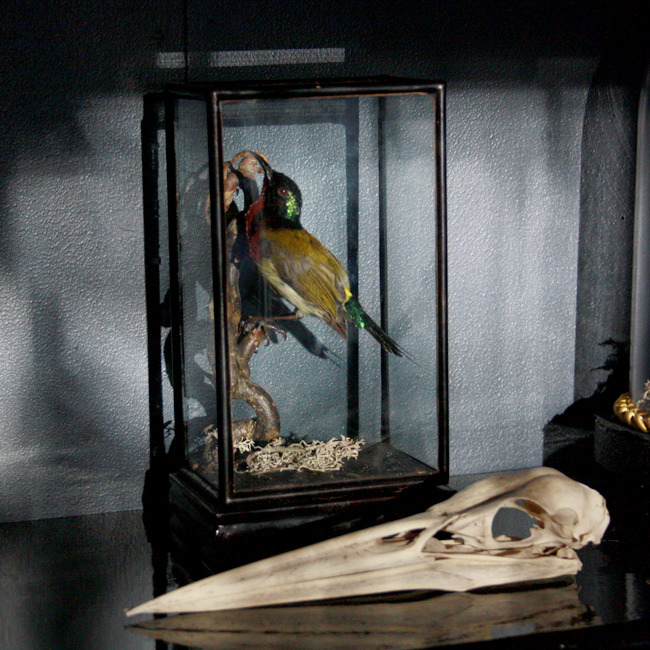
A fantastic Victorian bird taxidermy grouping of 17 birds perched on branches with remnants of moss and floral fixed to base.
Item No. E4744
Dimensions: 17″ tall x 14″ wide x 9″ deep approx.
List Price: $ 1200
Please contact LBNO for further information or trade consideration.
504.581.3733 /t
info@labellenouvelle.com / e

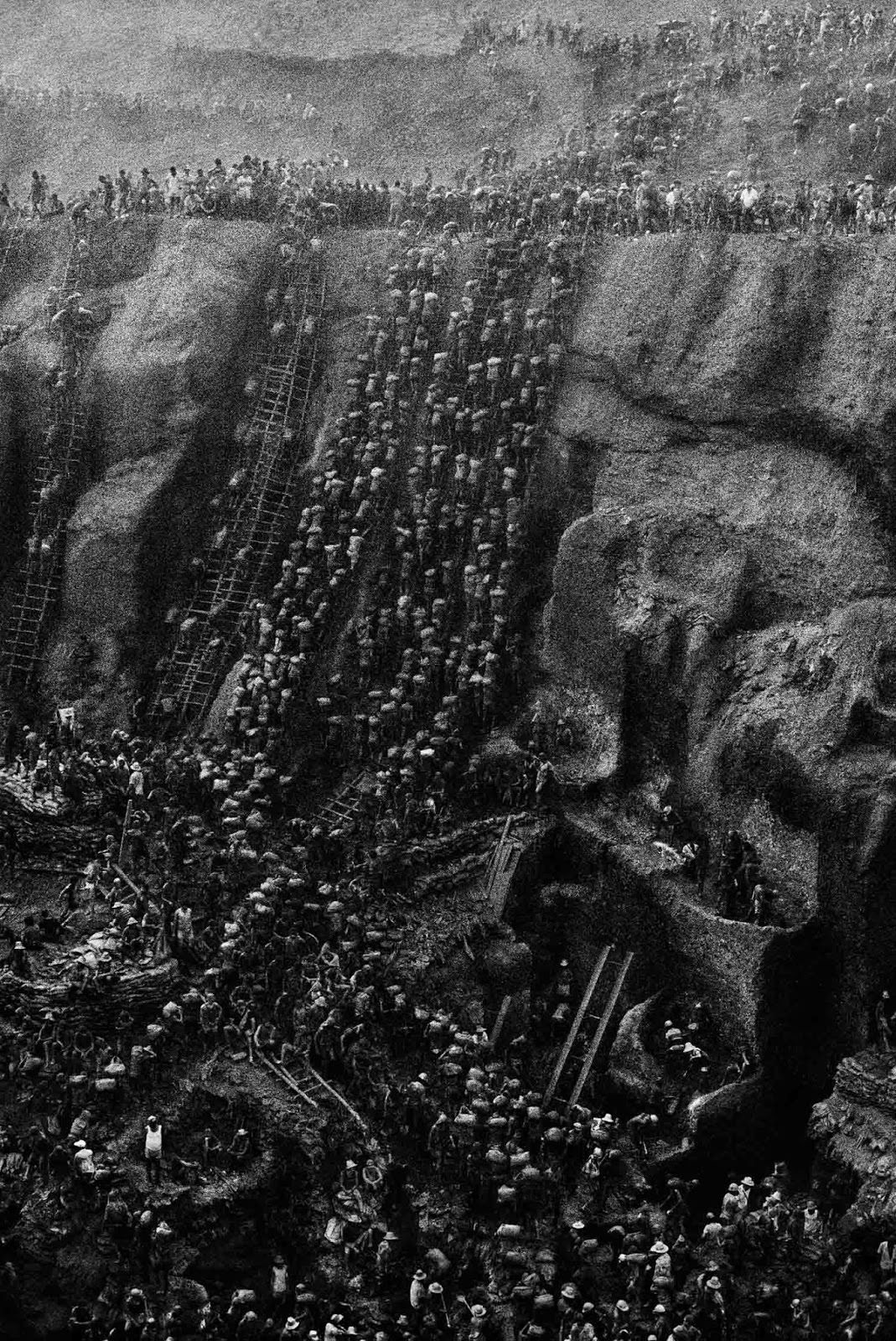
The hell of Serra Pelada mines, 1980s
Serra Pelada (English: “Naked Mountain”) was a large gold mine in Brazil 430 kilometers (270 mi) south of the mouth of the Amazon River. The mine was made famous by the images taken by Alfredo Jaar and later by Sebastião Salgado showing an anthill of workers moving vast amounts of ore by hand. Because of the chaotic nature of the operation estimating the number of miners was difficult, but at least 100,000 people were thought to be present, making it one of the largest mines in the world. Because of the use of mercury in the gold extraction process, large areas around the mine are considered dangerously contaminated. People eating fish downstream from the mine have elevated mercury levels.Today the Serra Pelada mine is abandoned and the giant open pit that was created by hand has filled with water, creating a small polluted lake.
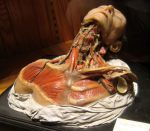
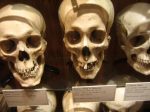
Mütter Museum: America’s most famous museum of medical oddities.
Located inside the headquarters of the College of Physicians of Philadelphia, the Mütter Museum has a wide range of wondrous and curious medical displays.
These include the skeleton of the tallest man in North America and the fused bones of Harry Eastlack, who died of Fibrodysplasia Ossificans Progressiva, an extremely rare disorder in which the soft connective tissue of the body ossifies, painfully freezing the body in an immobile state. These and many other exhibitions are displayed in the some of the same Victorian cabinets that the museum began with in 1858.