
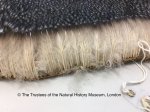
Ever Wondered How Emperor Penguins Survive in Temperatures of
−40°C
?
Their feathers are densely packed, and have in fact the highest contour feather destiny of any bird, allowing them to maintain a constant body temperature of 38°C in freezing waters.
Depsite previous reports that filoplumes and plumules aka.downy feathers, are absent in penguins, new research has found the presence of both feathers in the penguin’s plumage. It was assumed before this that afterfeathers were the sole insulation
component in the penguin’s plumage.
These downy feathers are about four times denser than the afterfeathers of the bird and play a key role in the insulation of penguins.
god there’s something horrid and fantastic about this dense, sinful slice of penguin. This feels like something that should be private. We should thank the penguins for the insight, and then we should gently replace that which we should not have witnessed. This knowledge has a heavy weight



















 thefancywalrus